Why Capital Is Turning to Singapore Real Estate
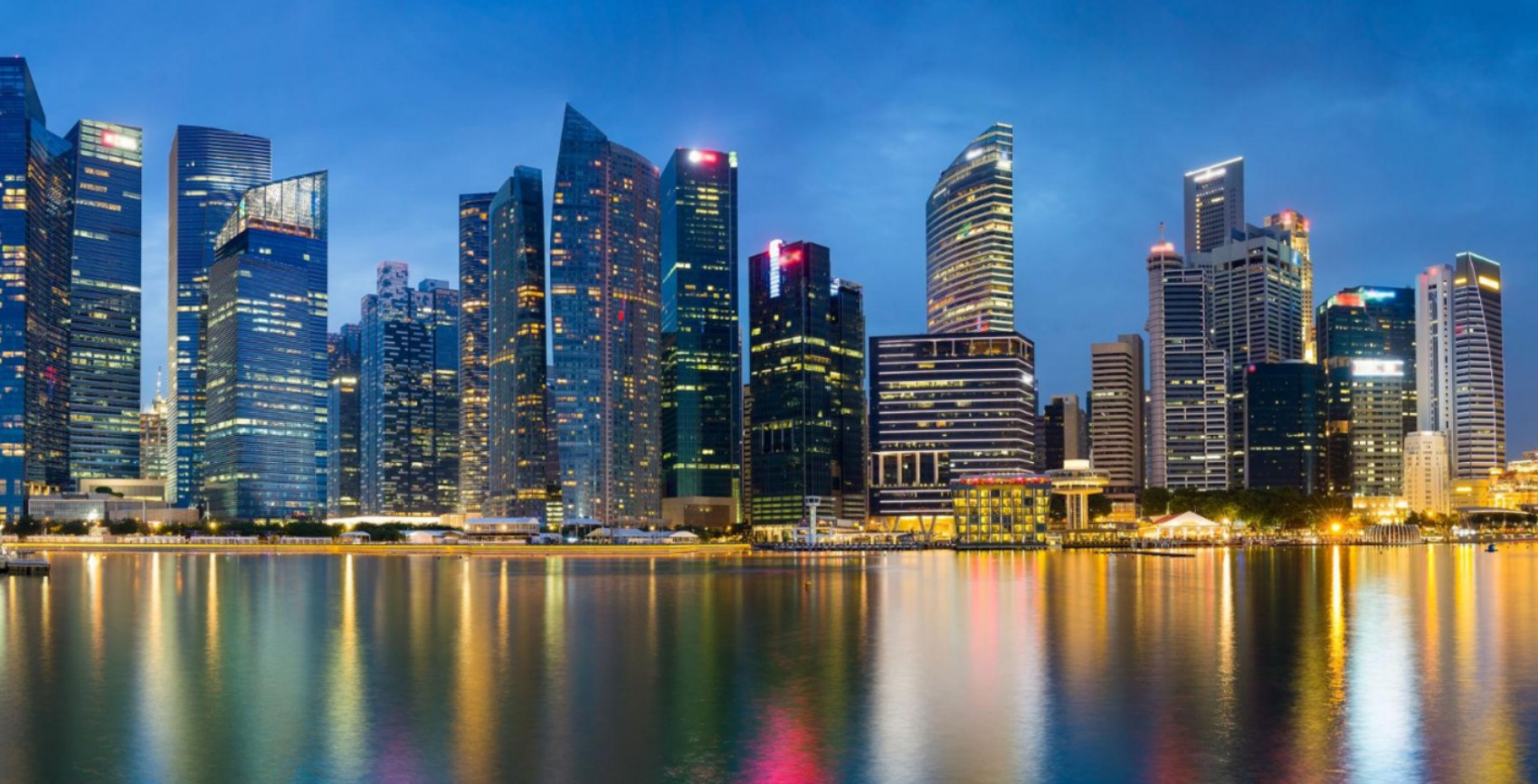
Investors deploying fresh capital face a familiar problem: the United States, long the default destination, looks less certain than it has in years. An unresolved conflict in the Middle East, paired with a policy timeline stretching past the U.S. midterm elections, is testing the case for parking capital at home. Singapore is quietly building the conditions that make it a credible alternative, namely a deepening investor base and firm demand for prime, income generating assets.
A Longer Runway for U.S. Uncertainty
President Trump's recent remarks that the Iran conflict would extend beyond the U.S. midterm elections push the resolution timeline further out than many investors had priced in. This matters less for the conflict itself than for what it signals: the duration and economic fallout remain genuinely unclear, with knock on risks to global energy markets and trade flows still in play.
Prolonged geopolitical ambiguity is corrosive to long horizon capital planning. This kind of open ended risk, more than any single bounded event, tends to push institutional money toward markets seen as comparatively insulated: stable regulatory regimes, tangible assets, and income streams that do not hinge on how a distant conflict resolves.
Singapore’s Wealth Base Keeps Deepening
While global capital looks for shelter, Singapore's domestic pool of investable wealth is expanding from within. Local banks report younger clients entering affluent wealth segments earlier than in past cycles, aided by stronger financial literacy and easier access to investment products. The result is a broader, increasingly sophisticated base of capital being built and allocated earlier in individuals' financial lives.
This is more than a demographic footnote. A deeper, more sophisticated domestic investor base reinforces demand for well structured investment opportunities over the long run, and cements Singapore's position as a wealth management hub that can absorb capital rotating away from less certain markets, not simply recycle it elsewhere.
This is reflected in rates. Three month SORA is near 1.2%, against USD rates close to 4%, a gap of roughly three percentage points and among the widest in at least a decade. Part of this reflects MAS's managed appreciation path for the Singapore dollar rather than investor demand alone; even adjusting for that, the gap remains wider than the past decade would suggest, consistent with continued capital inflows. This also helps explain why local borrowing costs remain below prevailing property yields, a spread that supports transactions such as Scotts Square.
Prime Real Estate Demand Keeps Building
Recent transaction activity reflects this most concretely. Royal Holdings and RB Capital's S$310 million joint acquisition of Scotts Square, a freehold retail mall just off Orchard Road valued at roughly S$2,369 per square foot, signals continued private capital appetite for large, well located retail assets in Singapore's core shopping districts. Completion is expected by end 2026, with the new owners positioned to reposition and enhance the asset over time.
The deal does not stand alone. It follows the S$1.1 billion sale of nearby Wheelock Place, reinforcing a pattern of sustained, high value transaction activity along one of Singapore's most established commercial corridors, even as capital elsewhere hesitates.
The Takeaway
Taken together, these developments point in one direction. Prolonged uncertainty around the U.S. Iran conflict is likely to keep encouraging investors to diversify beyond the U.S., while Singapore's expanding affluent investor base and continued appetite for prime commercial real estate strengthen its case as an attractive, comparatively stable destination for capital. The opportunity lies less in timing a single event and more in recognizing where durable, well located, income generating assets are quietly gathering demand, a trend worth continuing to track.